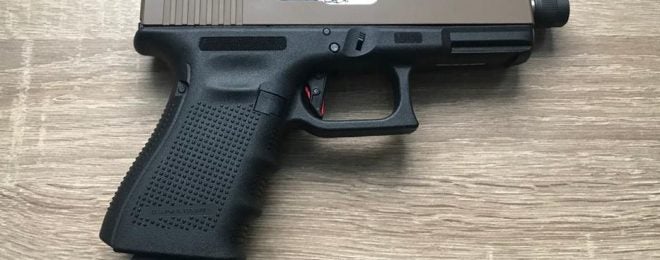
While in the US and Europe, Glocks are often considered to be reasonably priced workhorses, in some other countries, having a Glock is a luxury and a sign of wealth and opulence. For example, in certain parts of Iraq, a Gen 5 Glock 19 retails for around $4000, but even [Read More…]
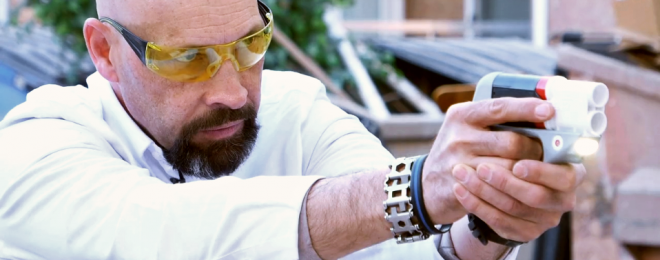
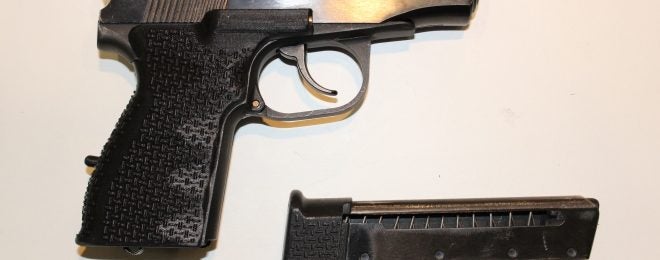
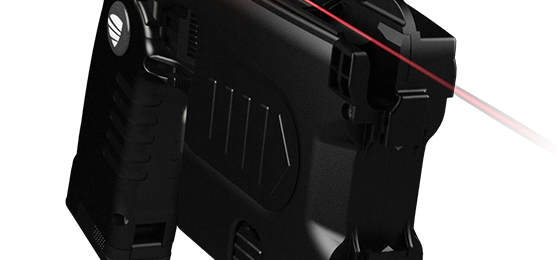
HERO Defense Systems is a Salt Lake City, UT based manufacturer specializing in non-lethal self-defense devices. Today they announced the re-release of their adaptable HERO 2020 device. The HERO 2020 is very similar in function to the Russian PB-4SP Osa traumatic pistol [Read More…]
The ever attentive Hrachya, in his constant worldwide research for cool stuff to let TFB readers know about*, found this peculiar product offered by a small Italian company. The material available online on this “training aid”, is currently fairly limited [Read More…]
This is TFB – The Firearm Blog. We talk plenty about guns and gear that can be used to keep us alive in a defensive situation. But we should also have a discussion about the use of force and some equipment you may choose to defend against threats that don’t [Read More…]
US Navy has published a solicitation for development of “Small Arms Long-Range Human Electro-Muscular Incapacitation (HEMI) Munition”. The solicitation was published on the website of a US government program called SBIR (Small Business Innovation [Read More…]
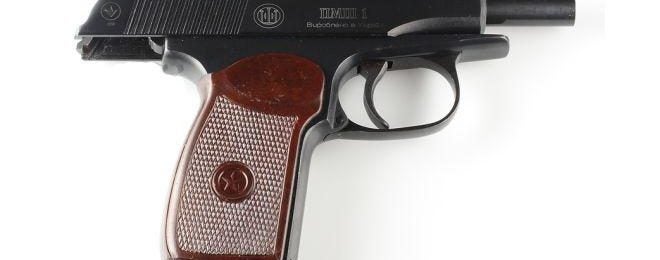
I agree … the title of this article sounds like trolling or some sort of clickbaiting heresy. The expressions like Ukrainian Schmeisser and Smeisser Makarov alone sound like they are either a typo or an April Fools’ Day joke. However, believe it or not, [Read More…]
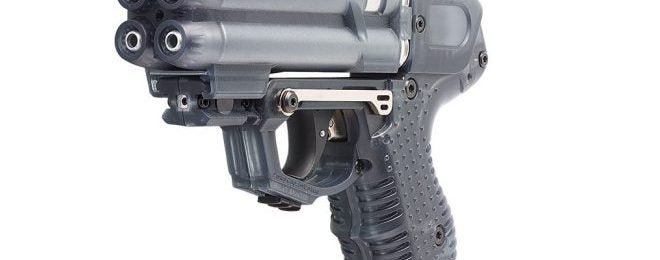
Piexon is a Swiss company specialized in manufacturing liquid irritant launching devices. Particularly, they make less-lethal multi-barrel pistols/derringers. One of their latest products is called JPX6 Jet Protector. It has the same 4 round capacity as the [Read More…]
TFBTV’s Corey Wardrop speaks with Monty Scott, PepperBall’s Director of Training, regarding several new products from the non-lethal company. For those unfamiliar with the company, Corey and Monty first discuss a little background – but quickly digress into a discussion of old vs. [Read More…]
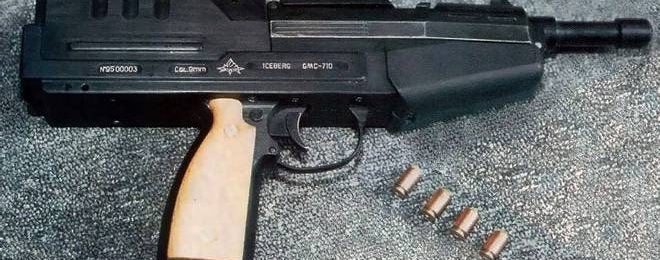
GMS-710 is a very unusual non-lethal submachine gun developed in the mid-’90s by a Russian company called Iceberg. This gun uses gas cartridges which shoot/spray a cloud of CS gas and are meant to be a close range non-lethal solution. The gun does have a barrel, [Read More…]
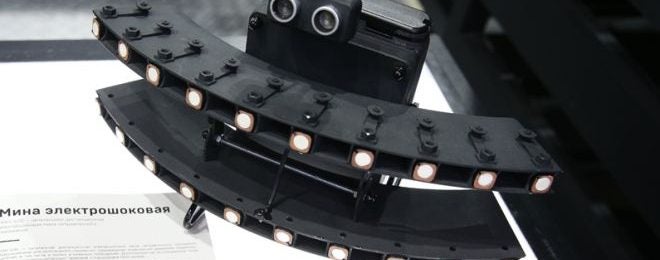
A Russian company called Gard Systems has introduced a prototype of a less-lethal mine called MEN-5/10 (МЭН-5/10). In case if there is a need to build a temporary fence or there is no time to establish permanent fencing solutions, this mine can be a handy tool. The [Read More…]
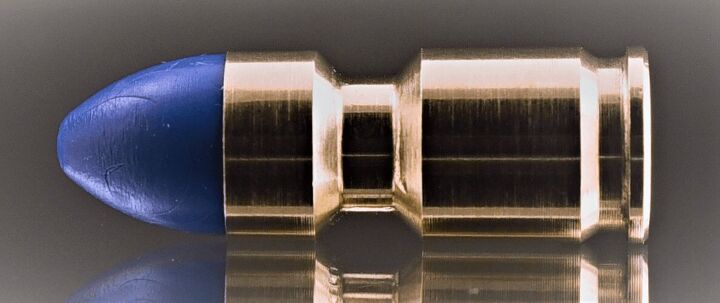
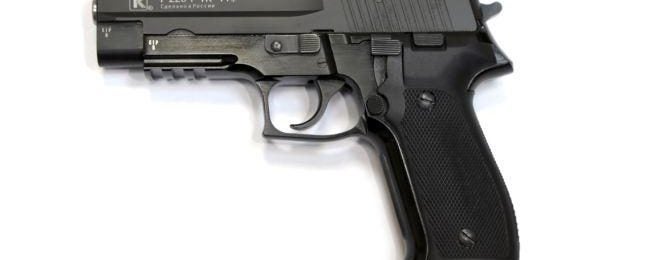
Many successful firearm designs are copied and cloned by companies all over the world. In the case of the Russian company called Techcrim, not only they make a 9x19mm clone of a SIG P226, but also versions chambered in 10x28mm less-lethal caliber. Techcrim’s [Read More…]
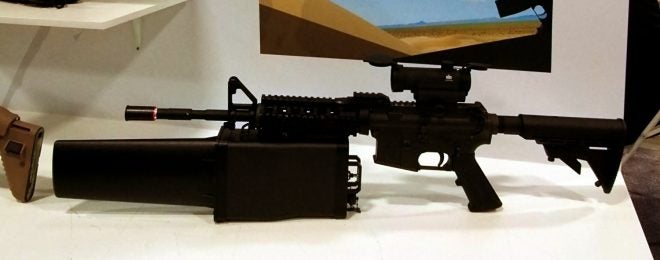
At the 2017 Association of the United States Army annual meeting, Korean optics maker DI Optical was showing off many of their familiar products, but also had on display an interesting looking rifle attachment from a company called Jammer Korea. The attachment, named [Read More…]
The Interpolitex 2017 exhibition held in Moscow, Russia, was a fairly large exhibition with a number of different solutions mainly for the law enforcement market. A small booth of a company called Komoloff caught my attention with a couple of interesting products. One [Read More…]
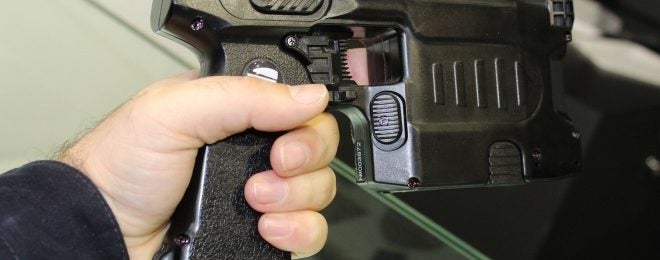
Russian Interpolitex 2017 exhibition was full of various less lethal solutions. Particularly, we had a chance to see the Taser-style GARD less-lethal weapon. We’ve earlier wrote an article about it on TFB. In this article, we’ll talk about more features of [Read More…]
SHOT Show is the pinnacle of all things fun and tacti-cool about the firearms industry. For a week every winter, gun writers, manufacturers and firearm enthusiasts all gather out in the desert of Las Vegas to see what will be the new hotness for the year. This year [Read More…]
When nauseating substances hit the fan, as it most often happens in civil riots and similar manifestations, LE forces have to count on whatever equipment items that may help them to deal with the very complicated process of applying progressive use of force, or the [Read More…]
RTECH-NO is a Russian technology company that is bringing to market a less-lethal device that consists of an electronic charge fed from a removable magazine. The device is called a “GARD” and it essentially appears to be a Russian take on the Taser, but with [Read More…]
Walther PDP (Personal Defense Pistol) is a non-lethal pepper spray gun manufactured by Umarex (Germany). They introduced it earlier this year at IWA 2016. Umarex manufactures airsoft, blank firing and BB guns, as well as a number of defensive products. They make [Read More…]
Self-defense ink pens, self-defense key chains, self-defense belt buckles…why not a self-defense hat? The latest addition to the FAB Defense lineup is indeed a hat. If you’re picturing a hat that is itself a weapon, though, you might be a bit disappointed. [Read More…]
Leading the good fight against our cyborg overlords this year was ALS defense (Amtech Less-Lethal Systems), with their Skynet anti-drone rounds for 12ga. shotguns and 37mm/40mm launchers. All kidding aside, this is quite a capable antidrone round. It works by [Read More…]
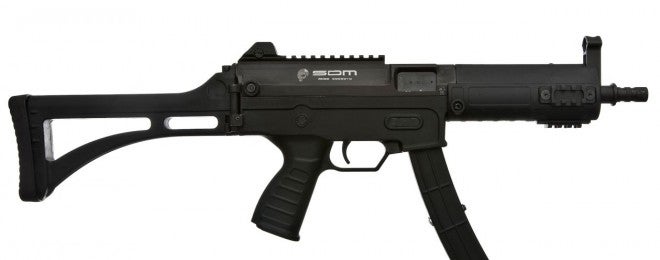
Sino Defense Manufacturing has announced a new 9mm police submachine gun, which is similar in concept to the venerable HK MP5 which has seen extensive use in direct action and SWAT teams worldwide. Pierangelo Tendas of All4Shooters reports: The production-grade variant [Read More…]

 Your Privacy Choices