HS Precision rifle KABOOM

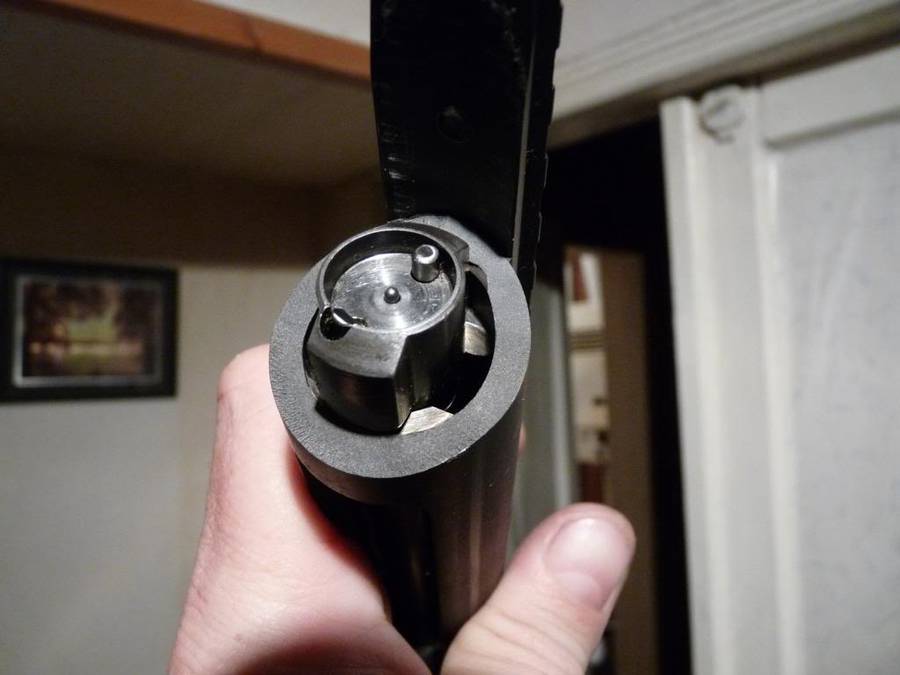
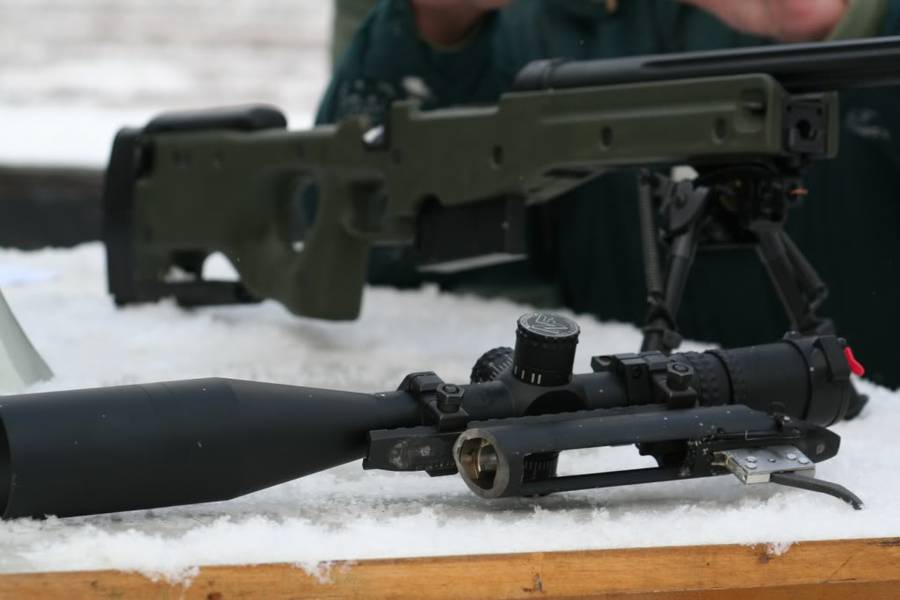
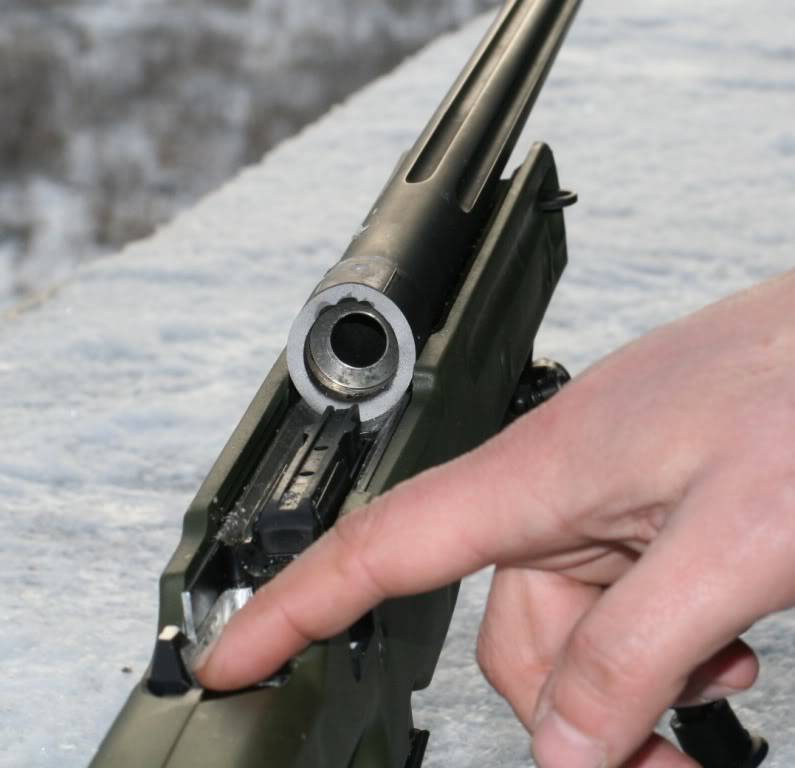
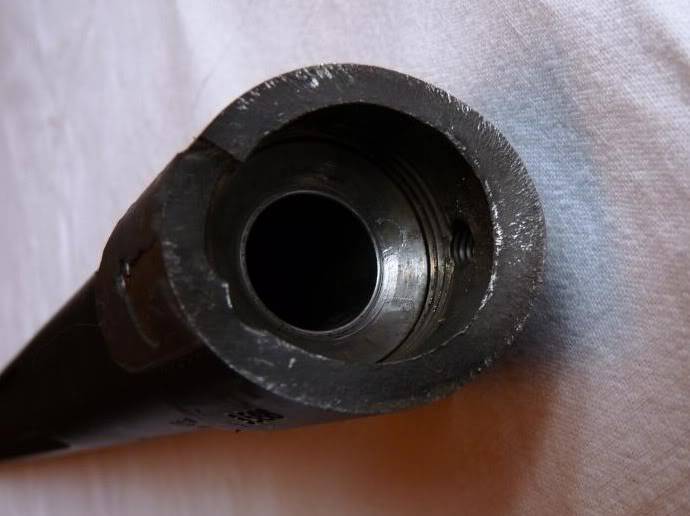
Last month I posted photos of a Mosin Nagant rifle that broke just in front of the chamber. I had never seen that happen before. Surprisingly, it has happened again to a high-end HS Precision rifle.
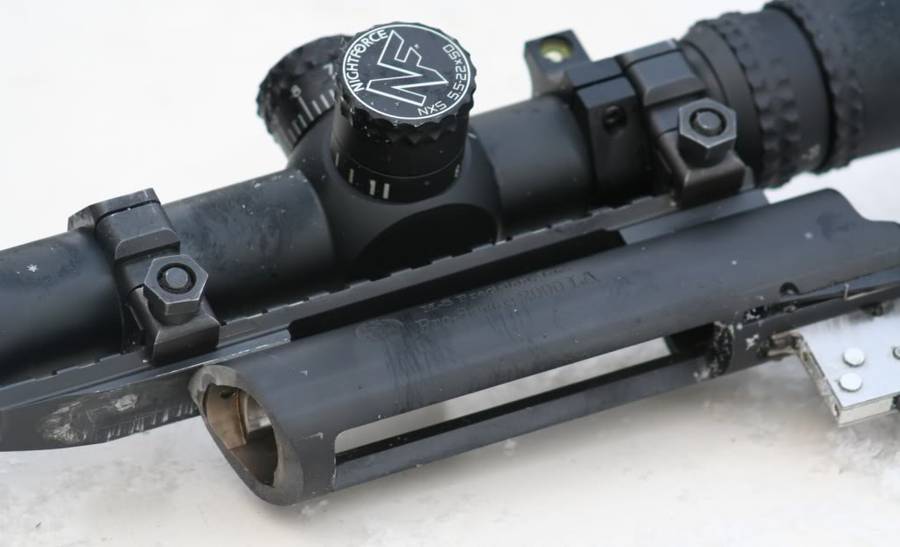
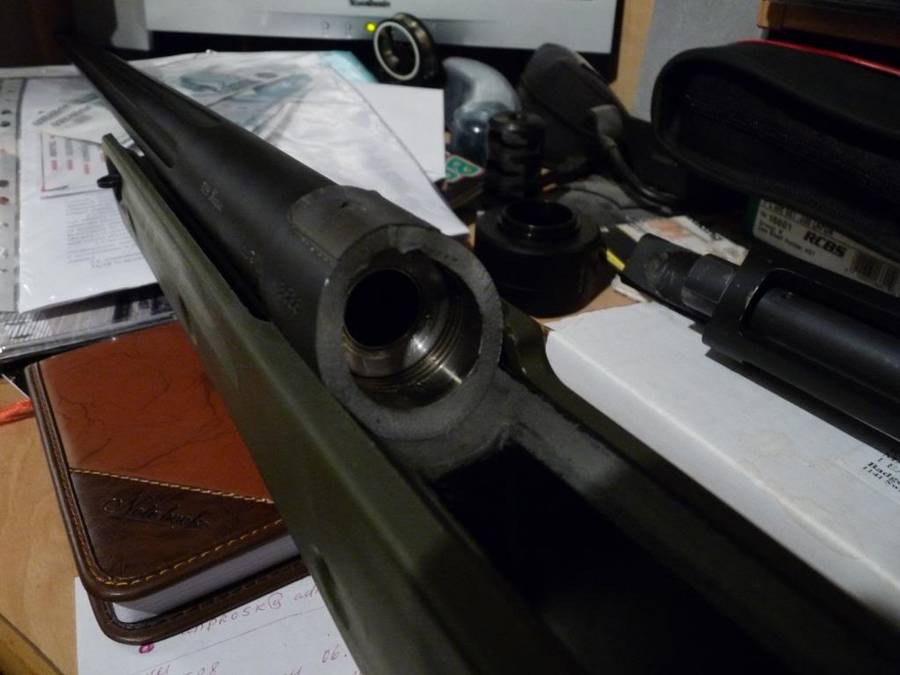
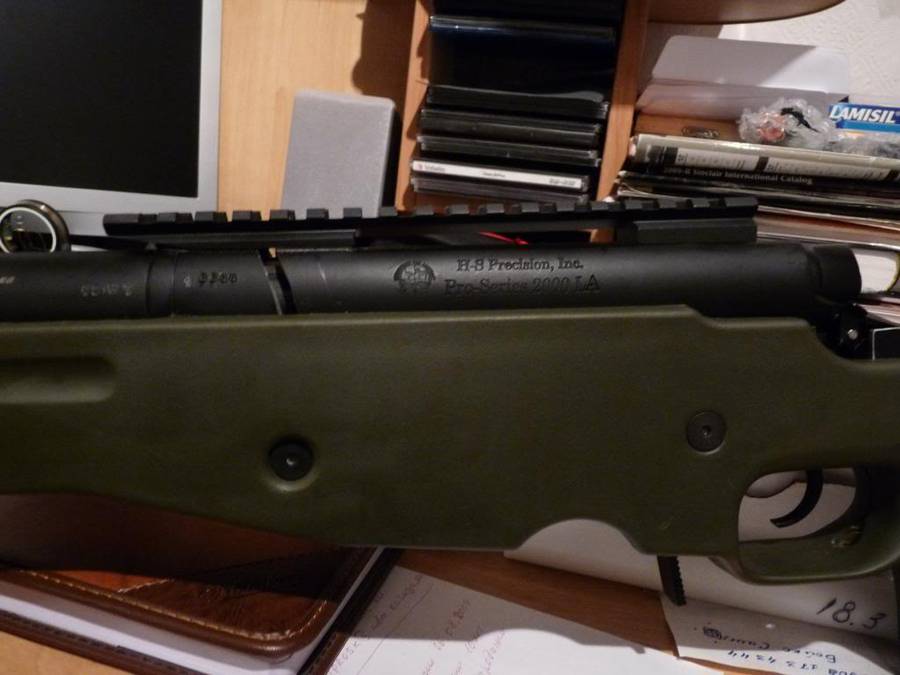
The rifle was being used in a shooting competition in Russia when it happened. Archil Kutsia was firing Lapua factory ammunition when the action snapped just behind the barrel.

When the Archil posted photos on SnipersHide.com, many people refused to believe him and said that he must have been using reloads, significantly over torquing the barrel until the action sheared off or did something else.

The owner replied that reloading was illegal in Russia, it happened at a competition shooting event and he had plenty more photos of the damage which he posted on the forum. This convinced many SnipersHide forum participants that he was telling the truth and that their must have been a flaw in the metal.
Related Posts

14 Responses to “HS Precision rifle KABOOM”

Sort The Responses Below: Most Recent | Highest Rated
  1. Garywrote on August 13th, 2011 at 3:11 pm Link To Comment | Reply To Comment

    I have seen many blown-up actions and barrels — and photos thereof — almost all of them showing bulging and bending deformations of the parent metal. Barrels opened up like flowers and banana-peels; actions blown out, etc. But all of them had a commonality in that there was deformation of the parent metal leading to eventual rupture. People forget that steel is elastic.

    Very early Springfield 03′s displayed this even with receivers incorrectly heat treated, many of the receivers showing signs of deformation before failure — though it should be pointed out that a lot of the receivers shattered like glass when stuck with a hammer or steel bar.

    Correct (Double) heat treatment allowed a hard, wear-resistant skin over a tough but malleable and elastic interior, so that even if pressure were vastly exceeded, the structure would hold together .. after a fashion.

    The images shown here suggest no malleability or elasticity at all in the receiver. This, along with the sharp and extreme granularity displayed at the fracture, leads one to believe that the steel is glass-hard clean through … indicating that the heat treating process was not completed by tempering or drawing.

    Secondly, a failure is usually preceded by an incipient or partial failure … a tiny crack for instance that grows larger and larger, eventually resulting in catastrophic failure. You can see the progress of the failure in the kaboom of the Mosin mentioned earlier. The earliest part of the crack being blackened by oxidation or leaking gas, while the final area of rupture is relatively clean and bright.

    The example shown here is all one tone or colour indicating immediate and complete failure rather than a gradual process.

    A pretty good discussion of heat treating here:- http://en.wikipedia.org/wiki/Heat_treating

    Please rate this comment: Thumb up 0 Thumb down 0
  2. Jillwrote on May 02nd, 2011 at 5:35 pm Link To Comment | Reply To Comment

    In America, your gun has kabooms.
    In Russia, kabooms have your gun.

    Please rate this comment: Thumb up 0 Thumb down 0
  3. Muwrote on April 20th, 2011 at 9:48 am Link To Comment | Reply To Comment

    While reloading might not be illegal, in many countries the legal hurdles to buy and store powder and other components make it impractical for any but the enthusiast to reload (think Class III stuff in the US – yes, you can get it – no, most wont jump through all the hoops).

    Please rate this comment: Thumb up 0 Thumb down 0
  4. vtbwrote on April 20th, 2011 at 2:37 am Link To Comment | Reply To Comment

    Steve…

    In Russia
    Reloading is illegal for civilians
    Reloading is not illegal for Military/LE

    Photo with dies etc. made at the MIL/LE gunsmith (the gun went kaboom at the military competitions where some civilians (including the owner of the rifle) were allowed to participate)

    PS
    it was only -10C at the moment of the kaboom and this kind of temperature shouldn’t affect the rifle at all.

    Please rate this comment: Thumb up 0 Thumb down 0
  5. snmpwrote on April 20th, 2011 at 12:19 am Link To Comment | Reply To Comment

    Russia is member of CIP with proofing house (administration or contractor). Evry weapon sold in country member of CIP need to be stamp with proof mark by CIP members proof house

    * http://en.wikipedia.org/wiki/Commission_Internationale_Permanente_pour_l%27Epreuve_des_Armes_%C3%A0_Feu_Portatives

    Please rate this comment: Thumb up 0 Thumb down 0
  6. Rodger Youngwrote on April 19th, 2011 at 12:54 pm Link To Comment | Reply To Comment

    Hopefully he’ll shine up that metal so we can see how hard it is.

    Please rate this comment: Thumb up 0 Thumb down 0
  7. zachwrote on April 19th, 2011 at 12:52 pm Link To Comment | Reply To Comment

    reloading illegal? why is there a RCBS box tucked under that pile of stuff in the second picture???

    Please rate this comment: Thumb up 0 Thumb down 0
  8. James McLanewrote on April 19th, 2011 at 12:33 pm Link To Comment | Reply To Comment

    In the very first photo a RCBS die set can be seen. If I’m not mistaken it reads “.338 Lapula”. Yet the author claims reloading is illegal in his country and he doesn’t do it. I’m not sure how the author can have any credibility when he lied about the presence of reloading equipment.

    Please rate this comment: Thumb up 0 Thumb down 0
    • Steve (The Firearm Blog)responded to James McLane on April 19th, 2011 at 1:43 pm Link To Comment | Reply To Comment

      James, well spotted, somewhere in the Sniper hide forums he says that this photo was taken at the gunsmith, where it is allowed for some reason (maybe proofing?)

      Please rate this comment: Thumb up 0 Thumb down 0
  9. Joewrote on April 19th, 2011 at 9:42 am Link To Comment | Reply To Comment

    It definately looks like a fault with the heat treating of the reciever, I don’t believe the ammunition was at fault.

    Please rate this comment: Thumb up 0 Thumb down 0
  10. Lancewrote on April 19th, 2011 at 7:35 am Link To Comment | Reply To Comment

    Steve why are you blowing up so many guns for pics???? :X

    Please rate this comment: Thumb up 0 Thumb down 0
  11. WeaponBuilderwrote on April 19th, 2011 at 1:12 am Link To Comment | Reply To Comment

    I hope the rifleman is okay!

    Lon Horiuchi endorses this KaBoom.

    Please rate this comment: Thumb up 0 Thumb down 0
  12. snmpwrote on April 18th, 2011 at 11:04 pm Link To Comment | Reply To Comment

    high cold & thermal constraint could explain the fracture

    Please rate this comment: Thumb up 0 Thumb down 0
  1. snmpwrote on April 20th, 2011 at 12:19 am Link To Comment | Reply To Comment

    Russia is member of CIP with proofing house (administration or contractor). Evry weapon sold in country member of CIP need to be stamp with proof mark by CIP members proof house

    * http://en.wikipedia.org/wiki/Commission_Internationale_Permanente_pour_l%27Epreuve_des_Armes_%C3%A0_Feu_Portatives

    Please rate this comment: Thumb up 0 Thumb down 0
  2. vtbwrote on April 20th, 2011 at 2:37 am Link To Comment | Reply To Comment

    Steve…

    In Russia
    Reloading is illegal for civilians
    Reloading is not illegal for Military/LE

    Photo with dies etc. made at the MIL/LE gunsmith (the gun went kaboom at the military competitions where some civilians (including the owner of the rifle) were allowed to participate)

    PS
    it was only -10C at the moment of the kaboom and this kind of temperature shouldn’t affect the rifle at all.

    Please rate this comment: Thumb up 0 Thumb down 0
  3. Muwrote on April 20th, 2011 at 9:48 am Link To Comment | Reply To Comment

    While reloading might not be illegal, in many countries the legal hurdles to buy and store powder and other components make it impractical for any but the enthusiast to reload (think Class III stuff in the US – yes, you can get it – no, most wont jump through all the hoops).

    Please rate this comment: Thumb up 0 Thumb down 0
  4. Garywrote on August 13th, 2011 at 3:11 pm Link To Comment | Reply To Comment

    I have seen many blown-up actions and barrels — and photos thereof — almost all of them showing bulging and bending deformations of the parent metal. Barrels opened up like flowers and banana-peels; actions blown out, etc. But all of them had a commonality in that there was deformation of the parent metal leading to eventual rupture. People forget that steel is elastic.

    Very early Springfield 03′s displayed this even with receivers incorrectly heat treated, many of the receivers showing signs of deformation before failure — though it should be pointed out that a lot of the receivers shattered like glass when stuck with a hammer or steel bar.

    Correct (Double) heat treatment allowed a hard, wear-resistant skin over a tough but malleable and elastic interior, so that even if pressure were vastly exceeded, the structure would hold together .. after a fashion.

    The images shown here suggest no malleability or elasticity at all in the receiver. This, along with the sharp and extreme granularity displayed at the fracture, leads one to believe that the steel is glass-hard clean through … indicating that the heat treating process was not completed by tempering or drawing.

    Secondly, a failure is usually preceded by an incipient or partial failure … a tiny crack for instance that grows larger and larger, eventually resulting in catastrophic failure. You can see the progress of the failure in the kaboom of the Mosin mentioned earlier. The earliest part of the crack being blackened by oxidation or leaking gas, while the final area of rupture is relatively clean and bright.

    The example shown here is all one tone or colour indicating immediate and complete failure rather than a gradual process.

    A pretty good discussion of heat treating here:- http://en.wikipedia.org/wiki/Heat_treating

    Please rate this comment: Thumb up 0 Thumb down 0
  5. Jillwrote on May 02nd, 2011 at 5:35 pm Link To Comment | Reply To Comment

    In America, your gun has kabooms.
    In Russia, kabooms have your gun.

    Please rate this comment: Thumb up 0 Thumb down 0
  6. Rodger Youngwrote on April 19th, 2011 at 12:54 pm Link To Comment | Reply To Comment

    Hopefully he’ll shine up that metal so we can see how hard it is.

    Please rate this comment: Thumb up 0 Thumb down 0
  7. Lancewrote on April 19th, 2011 at 7:35 am Link To Comment | Reply To Comment

    Steve why are you blowing up so many guns for pics???? :X

    Please rate this comment: Thumb up 0 Thumb down 0
  8. WeaponBuilderwrote on April 19th, 2011 at 1:12 am Link To Comment | Reply To Comment

    I hope the rifleman is okay!

    Lon Horiuchi endorses this KaBoom.

    Please rate this comment: Thumb up 0 Thumb down 0
  9. Joewrote on April 19th, 2011 at 9:42 am Link To Comment | Reply To Comment

    It definately looks like a fault with the heat treating of the reciever, I don’t believe the ammunition was at fault.

    Please rate this comment: Thumb up 0 Thumb down 0
  10. James McLanewrote on April 19th, 2011 at 12:33 pm Link To Comment | Reply To Comment

    In the very first photo a RCBS die set can be seen. If I’m not mistaken it reads “.338 Lapula”. Yet the author claims reloading is illegal in his country and he doesn’t do it. I’m not sure how the author can have any credibility when he lied about the presence of reloading equipment.

    Please rate this comment: Thumb up 0 Thumb down 0
    • Steve (The Firearm Blog)responded to James McLane on April 19th, 2011 at 1:43 pm Link To Comment | Reply To Comment

      James, well spotted, somewhere in the Sniper hide forums he says that this photo was taken at the gunsmith, where it is allowed for some reason (maybe proofing?)

      Please rate this comment: Thumb up 0 Thumb down 0
  11. zachwrote on April 19th, 2011 at 12:52 pm Link To Comment | Reply To Comment

    reloading illegal? why is there a RCBS box tucked under that pile of stuff in the second picture???

    Please rate this comment: Thumb up 0 Thumb down 0
  12. snmpwrote on April 18th, 2011 at 11:04 pm Link To Comment | Reply To Comment

    high cold & thermal constraint could explain the fracture

    Please rate this comment: Thumb up 0 Thumb down 0

Leave a Comment