
PCP polymer cased ammunition

PCP Ammunition will be selling a line of polymer cased ammunition in early 2011. They claim to have fixed the issues that have plagued polymer ammo in the past (case head separation, melting in the chamber). They are offering it in 5.56 NATO, 6.8 SPC, 7.62mm NATO, .338 Lapua Magnum and .50 BMG.
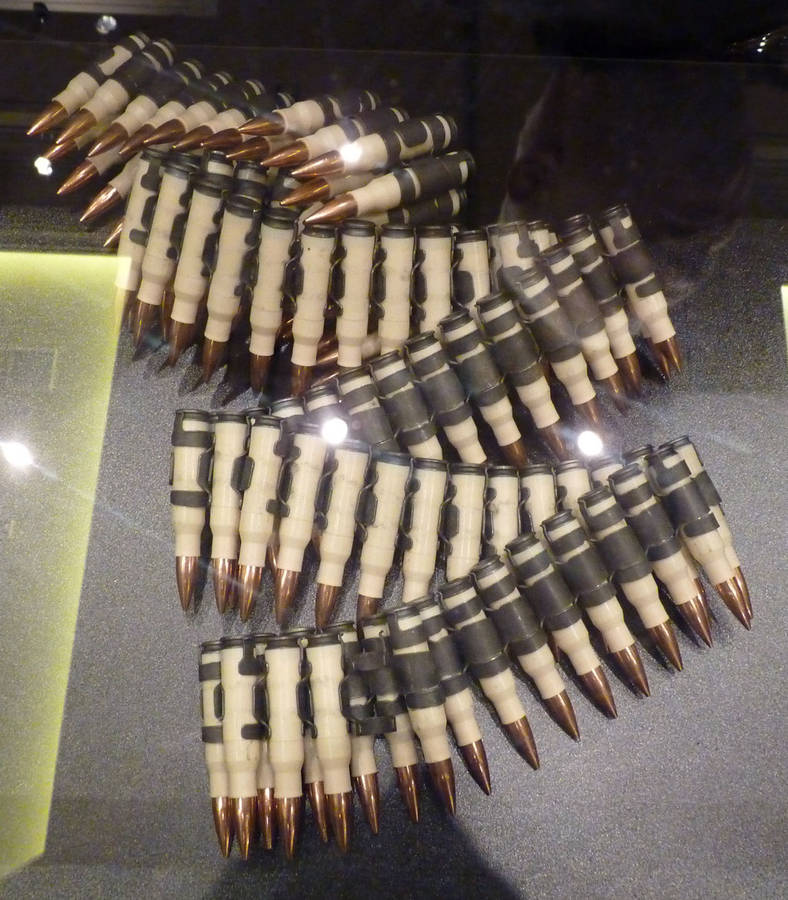
[ Many thanks to Greg for the info. ]

Related Posts

58 Responses to “PCP polymer cased ammunition”

Sort The Responses Below: Most Recent | Highest Rated
  1. Caseywrote on January 26th, 2012 at 10:12 pm Link To Comment | Reply To Comment

    Everyone who keeps commenting on whether the ammo can handle the heat generated by the chamber on full auto needs to remember that the military does not give every Soldier or Marine an automatic rifle. I served in the Corps and the only options my rifle had was safe, semi-automatic, or three round burst. I never shot on three round burst because it was not accurate enough. I and most of my fellow Marines preferred to being able to take a shot accurately and then aim quickly to either reacquire a target or acquire a new target. So, truth be told, we would not generate that much heat in our barrels. If the stuff does not work for full auto, who cares? It would still improve battle loads significantly.

    Also, we should all hope that the ammo will work for the military or if not, work for the consumer and be priced near or below the price of brass ammo. The reason being that just because you will not want to shoot it, does not mean that others will not shoot it. The more ammo that is used that does not require brass reduces the demand for brass and will ultimately reduce the price of brass. A lot of people do not reload. In fact, where I shoot, I would estimate that less than ten percent of the people I see at the range reload. So the other 90% will not care whether they shoot polymer ammo or brass, provided it is safe for their gun. Ultimately, those who want to reload or shoot brass ammo should have the opportunity to shoot for less $$. Which is something that we all can hope for.

    Please rate this comment: Thumb up 0 Thumb down 0
    • Sy Wileyresponded to Casey on February 14th, 2012 at 7:26 am Link To Comment | Reply To Comment

      Casey

      Thanks for your comments. I’m responding to your post, because you posted on an old site that didn’t have the latest information about PCP Ammunition. Please checkout our 2012 information on our website at http://www.pcpammo.com. The product is now ready for production in late April or May 2012. The first caliber out the box will be .308 win. in several high performance loads that we list on the website. Look for us in your favorite store by June 2012.

      Please rate this comment: Thumb up 0 Thumb down 0
  2. DoubleTapLasVegaswrote on November 13th, 2011 at 7:56 am Link To Comment | Reply To Comment

    I had purchased a box of 500 pca in 5.56 in 2005 from a gunshow in Reno,NV. It was a steal for $100.00 so I figured why not. They were on target every time but the biggest concern was that the case expanded in the chamber and didn’t allow the bolt to extract the case. This happened every two rounds. I had to use a tool to dislodge the case out of the chamber. Maybe now, 6yrs later the polymer have improved. I’ll wait until a more positive review emerges. Until then, I’ll stay loyal to the brass.

    Please rate this comment: Thumb up 0 Thumb down 0
  3. G-Dogwrote on August 01st, 2011 at 3:39 pm Link To Comment | Reply To Comment

    I would not be too disappointed if the military adopts this stuff, eliminating their demand for brass. The price of brass will most likely then follow the laws of supply and demand, dropping in price. Ergo, I will still be happily reloading and shooting now less expensive brass. . . Just a thought

    Please rate this comment: Thumb up 0 Thumb down 0
  4. charles222wrote on June 13th, 2011 at 8:55 am Link To Comment | Reply To Comment

    The media goes berserk about anything anymore. :p

    Interesting idea, and there’s polymers out there that’ll withstand anything brass or steel can temperature wise.

    Please rate this comment: Thumb up 0 Thumb down 0
  5. HowToGetAGunwrote on February 07th, 2011 at 5:41 pm Link To Comment | Reply To Comment

    How long before people in the media are going berserk claiming you can sneak them onto airplanes and that it allows a mad man to carry a ten thousand rounds?

    Please rate this comment: Thumb up 0 Thumb down 0
  6. Whiskeywrote on February 03rd, 2011 at 10:17 am Link To Comment | Reply To Comment

    I got to shoot this from Barret’s MRAD at Shot Show Media Day. I received 2 rounds, Missed the first. 2nd was on steel at 1,000 yards.

    Now, once it stands up to all the environmental testing and independent 3rd party validation, I’ll say they have a winner.

    Worked for me, so I will definitely buy.
    Probably need to buy Barret’s MRAD too.

    Whiskey

    Please rate this comment: Thumb up 1 Thumb down 0
  7. Tony Williamswrote on January 27th, 2011 at 10:40 pm Link To Comment | Reply To Comment

    Tony, I sent a message last week via your website asking for more technical details of the cartridges (and preferably high-res photos) so I can include them in Jane’s Ammunition Handbook, of which I am co-editor, but I’ve had no response as yet.

    Please contact me: tony.williams (at) quarry.nildram.co.uk

    Please rate this comment: Thumb up 0 Thumb down 0
  8. tonywrote on January 23rd, 2011 at 6:08 pm Link To Comment | Reply To Comment

    Great to see such interest in the products. I have seen tons of post on many sites and want to answer everyone’s questions. I am traveling back from the show tonight and will post as many answers as I can on our website on Monday. For now I can say this, we have solved the separation issues and have a polymer developed by BASF for this application that has show effective in all weapons tested to date. I will be doing extensive testing in m249, m240, and m134 in the coming weeks and will post the status as i can. So far, we have had no heat issues and show improved accuracy over brass. Pricing is in line with brass but should drop as production increases. Please don’t use previous designs as a measure for this product. This is a new company, new designs, new patents and better results than previous attempts. Though not many had an opportunity to shoot it at media day, hopefully some that did will post their opinions. I don’t expect anyone to take my word for it, but please wait until you can shoot it before passing judgement. Once you shoot it you will be a believer. And no, this is not a government takeover of the ammunition industry, just our attempt of improving the art with new technology.
    Tony
    PCP Ammo

    Please rate this comment: Thumb up 0 Thumb down 0
  9. Skeptic5.56wrote on January 22nd, 2011 at 10:46 pm Link To Comment | Reply To Comment

    Pressure…I don’t even see how these are capable of handling the pressure of said calibers loaded to NATO spec.

    Please rate this comment: Thumb up 0 Thumb down 0
  10. Gregory Marklewrote on January 22nd, 2011 at 5:25 am Link To Comment | Reply To Comment

    @Tony: Agreed…should have added that. Been following discussions on this on three different sites now and it slipped my mind when I wrote my comment here!

    Please rate this comment: Thumb up 0 Thumb down 0
  11. Tony Williamswrote on January 22nd, 2011 at 3:23 am Link To Comment | Reply To Comment

    @ Gregory Markle,

    The main beneficiary of plastic cased ammo if it meets military standards will be the infantry. They are already massively overburdened with kit and anything that shaves a few pounds off the load they carry will be welcomed.

    Please rate this comment: Thumb up 0 Thumb down 0
  12. Benwrote on January 22nd, 2011 at 3:17 am Link To Comment | Reply To Comment

    I’ve used polymer cased ammunition produced by NATEC back in 2004. One of the shooters I was with experienced a case failure with one round. A malfunction drill cleared the gun and we didn’t realize the type of failure until I spotted the ejected case.

    There are some valid reasons to not use polymer cased ammo, but when they get the bugs worked out, I’ll be a consumer.

    Please rate this comment: Thumb up 0 Thumb down 0
  13. Gregory Marklewrote on January 21st, 2011 at 10:13 pm Link To Comment | Reply To Comment

    @WeaponBuilder: PEEK and polyimide plastics would easily work well in these applications and would perform to beyond the point where brass-cased ammunition would cook off. I’m guessing they’re using a PEEK or even ceramic-filled PEEK which is stable to about 600F and can tolerate temporary temps to around 900F. Looking at the Windham study of temps at various points on the barrel during test to failure experiments, that would be adequate.

    ———————————————————–

    According to the designer the method of attaching the base to the cartridge is much better than the older designs and they’ve had no problems with the separation issues which were common in older designs. Any cost reduction will likely come from reduced shipping cost due to the 30% weight reduction….otherwise it will cost “about the same” as brass ammo.

    ———————————————————–

    With any luck I’ll be obtaining some .308 and .223 to shoot at a machinegun shoot in early March and will forward video and photos to The Firearm Blog if I do.

    ———————————————————–

    Why plastic cased ammo? Because it’s smart to have a backup plan if brass suddenly becomes difficult or ridiculously expensive to obtain.

    Please rate this comment: Thumb up 0 Thumb down 0
  14. DRodwrote on January 21st, 2011 at 7:19 pm Link To Comment | Reply To Comment

    A round in that belted ammo pic looks suspicious. Bottom row before it curls back or the last complete row. On the right side, one of the rounds looks like the mouth is split.

    Please rate this comment: Thumb up 0 Thumb down 0
  15. Dougwrote on January 21st, 2011 at 3:32 pm Link To Comment | Reply To Comment

    It would seem that this post has brought more questons than answers :)

    Thanks for covering SHOT Steve. I can’t imagine trying to juggle all the new entries in the gun industry, THEN go blog about each of them. Keep up the good work.

    Please rate this comment: Thumb up 0 Thumb down 0
  16. Nathanielwrote on January 21st, 2011 at 2:18 pm Link To Comment | Reply To Comment

    @WeaponBuilder

    I hate to break it to you, but all known substances have a melting point, especially things like steel and brass.

    Please rate this comment: Thumb up 0 Thumb down 0
  17. El Duderinowrote on January 21st, 2011 at 12:55 pm Link To Comment | Reply To Comment

    WeaponBuilder, exactly!

    A .50 M2HB barrel dropped on plastic sandbags after an extended shoot will melt those bags and make a sticky mess. I have seen these same guns and M240s glow red (especially in the dark) — that’s hot y’all. Plastic either melts into a bubbly mess or ignites and burns at high temperatures, there really isn’t any way around it.

    Please rate this comment: Thumb up 0 Thumb down 0
  18. markwrote on January 21st, 2011 at 11:52 am Link To Comment | Reply To Comment

    NOOOOO!!!

    Brass is recyclable and reloadable and so expensive that an entire industry has evolved to feed our needs.

    For goodness sake, don’t do it!

    Think of the Children! Save the Planet!! Be Green!

    Or, maybe … just maybe Technology can help fix problems and improve things?

    Please rate this comment: Thumb up 0 Thumb down 0
  19. Jwrote on January 21st, 2011 at 10:42 am Link To Comment | Reply To Comment

    This is not a new item and no you can not reload them what a way to regulate the ammo supply line.

    Please rate this comment: Thumb up 0 Thumb down 0
  20. Milowrote on January 21st, 2011 at 8:57 am Link To Comment | Reply To Comment

    Winter of 09-10 some friends and I (3 retired Army one of which was retired SF and 1 retired Air Force, all shooters) tried some natec polymer cased .223 ammo in Alaska. -05 deg F with the wind chill bringing us to
    -15F. Not really that cold.
    Numerous failure to feeds with 4 AR’s from different manufactures.
    We tried various quantities of rounds in different mags.
    The FT. resulted in the rounds being deformed and un-shootable.
    Numerous case neck separations resulting in rounds not fully seating in chamber. Semi fire and cold temps so we never experienced any melting. We gave the remaining 100/150 rounds to a guy with a bolt action and he and his kids had a great time. Rounds were pretty accurate out of the bolt gun. We switched to conventional rounds and never even bothered to check the accuracy of the polymer.

    Please rate this comment: Thumb up 0 Thumb down 0
  21. Brandonwrote on January 21st, 2011 at 3:09 am Link To Comment | Reply To Comment

    Not trying to be rude, but the redundancy of these comments is indicative of the lack of information in the blog post. I don’t come here to learn simply that something exists. I want to read the deeper story, mainly the “why” and the “how.” Several of your Shot Show articles demonstrate this problem.

    Please rate this comment: Thumb up 0 Thumb down 0
  22. WeaponBuilderwrote on January 21st, 2011 at 2:28 am Link To Comment | Reply To Comment

    Yeah, Right. I’ll believe it when I see it…

    NOT MELTING in the chamber??? Sure.

    Regardless of how much anti-sublimation treatment you put into ANY Polymer – there’s always going to be a heat temperature that will melt any polymer! You can alter the properties of a material only so much.

    By changing the composition within the polymer, you can increase the temperature limits within which it will begin to melt. But you cannot eliminate it.

    A full-auto machine gun, M2 50 caliber, and M4′s have extremely HIGH chamber temperatures under even the lightest combat usage. The reason why BRASS casings are so successful is specifically because it is malleable to seal the chamber, and its metallic properties are capable of storing some of the heat from burning propellants, and remove that heat with ejection of the casing!

    With a polymer casing – either the heat will melt the inside of the casing, will increase the operating temperature of the chamber higher than normal, and cause potential problems – or they perhaps lined the inside of the polymer casing with ultra-thin steel – which will significantly decrease the propellant capacity, and its performance.

    In order for a polymer casing to be truly effective, one must design a new cartridge from the ground up. Not try to fit a material with poor thermal properties into a role for which it was never designed.

    The production costs are actually higher than traditional ammunition due to QC issues, inspections, and the only “SAVINGS” that one is likely to see with such ammunition is a weight savings for grunts carrying this in the field. How much of a weight savings will there be??? That remains to be foreseen.

    I’ll believe it only when I see it. :-/

    Please rate this comment: Thumb up 0 Thumb down 0
  23. Vitorwrote on January 21st, 2011 at 1:51 am Link To Comment | Reply To Comment

    Combining those with P-mags and you have a quite lighter package without any non-usual tech like telescoped ammo.

    Please rate this comment: Thumb up 0 Thumb down 0
  24. Allenwrote on January 21st, 2011 at 12:54 am Link To Comment | Reply To Comment

    Looks like this ammunition is belted. In the second pic look at the .50 and the .338, doesn’t that look like a belt around the base of the web? If it is belted how would that affect chamber/operating pressure in gas guns? With a belted cartridge design, chambering a round in an nonbelted chamber, would mean contact at the belt, shoulder and neck of the cartridge only, right? Maybe thats how they are getting it to reliably cycle?

    Please rate this comment: Thumb up 0 Thumb down 0
  25. MarkMwrote on January 21st, 2011 at 12:52 am Link To Comment | Reply To Comment

    Considering most of the selected calibers are for self loading weapons, bullet setback shouldn’t be a problem. A molded step in the case would do it, something that can’t happen shaping brass.

    It’s all about cost – the 6.8 crowd has been stymied for years, unable to shoot high volumes because there is no milsurp or plinking ammo. I expect these guys to be 100% sold out and backordered the rest of the year if they get under $14 a box of 20. Leaving your “brass” at a mandatory range will take on a new meaning for them, it won’t be the loss of commercially priced cases that could be reloaded. So, plink away.

    If they keep the retailers in line and the price down, it will keep the machines humming 24/7. It has to compete with milsurp or Wolf steel cased, or they will only get government orders, if any. Including 6.8 is the big hint that’s not their main focus.

    Please rate this comment: Thumb up 0 Thumb down 0
  26. jeffwongwrote on January 20th, 2011 at 9:28 pm Link To Comment | Reply To Comment

    I thought brass ejection took away a significant amount of the heat, especially from the chamber. One of the reasons for the failure of the G11 caseless ammo project was tendency to cook-off ammo that was loaded into a warm chamber.

    Will the polymer casing seal the chamber or let gas flow around?
    Will will the polymer casing transfer heat to the chamber walls?
    Or will it insulate the chamber and heat the air behind the bullet causing the barrel to be hotter than normal?

    Lower risk of cookoff with hot chambers?
    Safer fragmentation when fired out of battery?
    Made of expended yogurt cups?

    If it brings us closer to shotgun shell construction, range cleaning will be a lot easier since we’ll no longer have heavy tubs of casings to carry away. They can be burnt on the spot or dumped into the ocean.

    Please rate this comment: Thumb up 0 Thumb down 0
  27. Tony Williamswrote on January 20th, 2011 at 8:57 pm Link To Comment | Reply To Comment

    There was a specific problem with previous generations of this ammo when used in the HK roller-retarded blowback rifles, in that the chamber flutes became clogged with polymer fragments, which were very hard to remove.

    If they really have solved the problems and the new ammo meets tough military requirements, this could be very significant because this ammo delivers most of the weight savings of plastic-cased LSAT.

    Please rate this comment: Thumb up 0 Thumb down 0
  28. DRodwrote on January 20th, 2011 at 5:02 pm Link To Comment | Reply To Comment

    Im curious about bullet setback.

    Please rate this comment: Thumb up 0 Thumb down 0
  29. snufferoowrote on January 20th, 2011 at 4:59 pm Link To Comment | Reply To Comment

    Here’s a though, .223 replaced .308 partly because of weight. If these work well it’d be a great reason to go back to a bigger round.

    Also, props to Steve for covering all this. Very interesting stuff to read.

    Please rate this comment: Thumb up 0 Thumb down 0
  30. jdun1911wrote on January 20th, 2011 at 4:13 pm Link To Comment | Reply To Comment

    Barrel wear is due to heat not brass. Brass, copper, lead are softer than steel.

    Military might use it if shows that the plastic won’t degrade for a long period of time.

    Please rate this comment: Thumb up 0 Thumb down 0
  31. Timmeehhwrote on January 20th, 2011 at 2:00 pm Link To Comment | Reply To Comment

    This is good news for the military, lighter weight and lower cost ammo, with the rising cost of brass. However, it is terrible news for the reloader, including commercial reloaders like Georgia Arms. If the military switches to polymer, then the single biggest source of once fired brass is going to dry up. This will result in higher ammo prices for civilians.

    Please rate this comment: Thumb up 0 Thumb down 0
  32. Scottwrote on January 20th, 2011 at 1:00 pm Link To Comment | Reply To Comment

    The public will only buy it if it has a significant savings (versus steel or brass ammo); the military, on the other hand, would probably pay a premium for it based on the weight savings.

    Please rate this comment: Thumb up 0 Thumb down 0
  33. KFinwrote on January 20th, 2011 at 11:40 am Link To Comment | Reply To Comment

    Is it supposed to be cheaper than brass? If it is I’ll give it a try certainly

    Please rate this comment: Thumb up 0 Thumb down 0
  34. Bill Lesterwrote on January 20th, 2011 at 11:31 am Link To Comment | Reply To Comment

    The weight savings are obvious but I wonder about cost compared to brass or steel cases. And is there any chance these would be reloadable?

    Please rate this comment: Thumb up 0 Thumb down 0
  35. Philwrote on January 20th, 2011 at 11:02 am Link To Comment | Reply To Comment

    If it’s cheap, I’d try it.

    Please rate this comment: Thumb up 0 Thumb down 0
  36. kerrmudgeonwrote on January 20th, 2011 at 10:39 am Link To Comment | Reply To Comment

    I was wondering what the claimed benefits are. Cheaper? Less wear on firearm at same ammunition cost and level of performance?

    Please rate this comment: Thumb up 0 Thumb down 0
  37. Mr Maigowrote on January 20th, 2011 at 10:09 am Link To Comment | Reply To Comment

    MSRP?

    Please rate this comment: Thumb up 0 Thumb down 0
  38. Dougwrote on January 20th, 2011 at 9:58 am Link To Comment | Reply To Comment

    Cool idea, one question might be a long shot can reload them?

    Please rate this comment: Thumb up 0 Thumb down 0
  39. ermacwrote on January 20th, 2011 at 9:50 am Link To Comment | Reply To Comment

    I’m quite interested.What would be the advantages of polymer cased ammo? Cheaper,lighter, less wear and tear on the action? Can you reload polymer cases?

    Please rate this comment: Thumb up 0 Thumb down 0
  40. Frankiewrote on January 20th, 2011 at 9:21 am Link To Comment | Reply To Comment

    What are the pros and cons of polymer-cased rounds? I’m guessing reduced weight, but what else?

    Please rate this comment: Thumb up 0 Thumb down 0
  41. Lancewrote on January 20th, 2011 at 9:18 am Link To Comment | Reply To Comment

    Depends on price if they are cheaper than brass ammo they be worth buying for matches. If not Brass will be better.

    Please rate this comment: Thumb up 0 Thumb down 0
  42. gmanwrote on January 20th, 2011 at 8:32 am Link To Comment | Reply To Comment

    Any word on the weight savings compared to brass and steel cased ammo?

    Please rate this comment: Thumb up 0 Thumb down 0
  43. Nick Pacificwrote on January 20th, 2011 at 8:28 am Link To Comment | Reply To Comment

    What about heat dissipation?

    Please rate this comment: Thumb up 0 Thumb down 0
  44. Wolfwoodwrote on January 20th, 2011 at 8:27 am Link To Comment | Reply To Comment

    Step by step, we come closer to the elusive Glock 7.

    Please rate this comment: Thumb up 0 Thumb down 0
  45. stevenwrote on January 20th, 2011 at 8:18 am Link To Comment | Reply To Comment

    Great, but what are the effects on accuracy, reliability, reuse, and cost?

    Interesting other questions: Are these bio-degradable? What is the long term shelf life in good/poor conditions? Will these cases become deformed after longer term storage in a compressed state (i.e. in a magazine)?

    Not so interesting other questions: Will they look cool running through a gun? Can I pick the color? Do they still sound cool when hitting the ground? How will this effect the movie industry sound effect units?

    Please rate this comment: Thumb up 0 Thumb down 0
  46. Davewrote on January 20th, 2011 at 8:02 am Link To Comment | Reply To Comment

    Oh Noes! “PLASTIC BULLETS”!!! :)

    Please rate this comment: Thumb up 0 Thumb down 0
  47. mikewrote on January 20th, 2011 at 7:56 am Link To Comment | Reply To Comment

    Hopefully it’s (a lot) cheaper than the brass stuff, but I’ll let someone else try it first.

    Please rate this comment: Thumb up 0 Thumb down 0
  48. Stellawrote on January 20th, 2011 at 7:36 am Link To Comment | Reply To Comment

    Is the advantage of polymer cased rounds weight or expense (relative to brass or steel)?

    Please rate this comment: Thumb up 0 Thumb down 0
  49. bobwrote on January 20th, 2011 at 7:11 am Link To Comment | Reply To Comment

    Any idea on price?

    Please rate this comment: Thumb up 0 Thumb down 0
  50. Joelwrote on January 20th, 2011 at 7:07 am Link To Comment | Reply To Comment

    Yeah, but is it reloadable? :) Any idea what this will cost compared to brass cased? I’d imagine that for a while it would sell at a premium because of the novelty. I’d hope that it would be cheaper in the long run though.

    Please rate this comment: Thumb up 0 Thumb down 0
  51. SpudGunwrote on January 20th, 2011 at 6:44 am Link To Comment | Reply To Comment

    Obviously, they’re going to be useless to reloaders, but aside from that, how effective will they be in taking heat away from the chamber?

    Please rate this comment: Thumb up 0 Thumb down 0
  52. Adamwrote on January 20th, 2011 at 6:36 am Link To Comment | Reply To Comment

    Amazing if it’s capable of living up to their claims and offers a significant cost savings over brass. ie – more than the cost savings of reloading.

    Please rate this comment: Thumb up 0 Thumb down 0
  53. Roper1911wrote on January 20th, 2011 at 6:27 am Link To Comment | Reply To Comment

    thin ribbed metal liner I’m guessing.
    if anyone buys some let me know, as I don’t own a gun in any of those calibers.

    Please rate this comment: Thumb up 0 Thumb down 0
  54. MrSatyrewrote on January 20th, 2011 at 6:22 am Link To Comment | Reply To Comment

    Any idea what the claimed cost would be over/under conventional casings?

    Please rate this comment: Thumb up 0 Thumb down 0
  55. danielwrote on January 20th, 2011 at 6:12 am Link To Comment | Reply To Comment

    how much will it cost though? Polymer cased ammo’s always been advantageous for the cost effectiveness. these rounds look great but defeats the purpose if it costs more than brass :(

    Please rate this comment: Thumb up 0 Thumb down 0
  56. El Duderinowrote on January 20th, 2011 at 5:55 am Link To Comment | Reply To Comment

    Cheaper than steel cased = win! Although I doubt it with those fancy polymer-tipped bullets.

    Please rate this comment: Thumb up 0 Thumb down 0
  1. Whiskeywrote on February 03rd, 2011 at 10:17 am Link To Comment | Reply To Comment

    I got to shoot this from Barret’s MRAD at Shot Show Media Day. I received 2 rounds, Missed the first. 2nd was on steel at 1,000 yards.

    Now, once it stands up to all the environmental testing and independent 3rd party validation, I’ll say they have a winner.

    Worked for me, so I will definitely buy.
    Probably need to buy Barret’s MRAD too.

    Whiskey

    Please rate this comment: Thumb up 1 Thumb down 0
  2. markwrote on January 21st, 2011 at 11:52 am Link To Comment | Reply To Comment

    NOOOOO!!!

    Brass is recyclable and reloadable and so expensive that an entire industry has evolved to feed our needs.

    For goodness sake, don’t do it!

    Think of the Children! Save the Planet!! Be Green!

    Or, maybe … just maybe Technology can help fix problems and improve things?

    Please rate this comment: Thumb up 0 Thumb down 0
  3. Jwrote on January 21st, 2011 at 10:42 am Link To Comment | Reply To Comment

    This is not a new item and no you can not reload them what a way to regulate the ammo supply line.

    Please rate this comment: Thumb up 0 Thumb down 0
  4. El Duderinowrote on January 21st, 2011 at 12:55 pm Link To Comment | Reply To Comment

    WeaponBuilder, exactly!

    A .50 M2HB barrel dropped on plastic sandbags after an extended shoot will melt those bags and make a sticky mess. I have seen these same guns and M240s glow red (especially in the dark) — that’s hot y’all. Plastic either melts into a bubbly mess or ignites and burns at high temperatures, there really isn’t any way around it.

    Please rate this comment: Thumb up 0 Thumb down 0
  5. Nathanielwrote on January 21st, 2011 at 2:18 pm Link To Comment | Reply To Comment

    @WeaponBuilder

    I hate to break it to you, but all known substances have a melting point, especially things like steel and brass.

    Please rate this comment: Thumb up 0 Thumb down 0
  6. Dougwrote on January 21st, 2011 at 3:32 pm Link To Comment | Reply To Comment

    It would seem that this post has brought more questons than answers :)

    Thanks for covering SHOT Steve. I can’t imagine trying to juggle all the new entries in the gun industry, THEN go blog about each of them. Keep up the good work.

    Please rate this comment: Thumb up 0 Thumb down 0
  7. Milowrote on January 21st, 2011 at 8:57 am Link To Comment | Reply To Comment

    Winter of 09-10 some friends and I (3 retired Army one of which was retired SF and 1 retired Air Force, all shooters) tried some natec polymer cased .223 ammo in Alaska. -05 deg F with the wind chill bringing us to
    -15F. Not really that cold.
    Numerous failure to feeds with 4 AR’s from different manufactures.
    We tried various quantities of rounds in different mags.
    The FT. resulted in the rounds being deformed and un-shootable.
    Numerous case neck separations resulting in rounds not fully seating in chamber. Semi fire and cold temps so we never experienced any melting. We gave the remaining 100/150 rounds to a guy with a bolt action and he and his kids had a great time. Rounds were pretty accurate out of the bolt gun. We switched to conventional rounds and never even bothered to check the accuracy of the polymer.

    Please rate this comment: Thumb up 0 Thumb down 0
  8. DRodwrote on January 21st, 2011 at 7:19 pm Link To Comment | Reply To Comment

    A round in that belted ammo pic looks suspicious. Bottom row before it curls back or the last complete row. On the right side, one of the rounds looks like the mouth is split.

    Please rate this comment: Thumb up 0 Thumb down 0
  9. Allenwrote on January 21st, 2011 at 12:54 am Link To Comment | Reply To Comment

    Looks like this ammunition is belted. In the second pic look at the .50 and the .338, doesn’t that look like a belt around the base of the web? If it is belted how would that affect chamber/operating pressure in gas guns? With a belted cartridge design, chambering a round in an nonbelted chamber, would mean contact at the belt, shoulder and neck of the cartridge only, right? Maybe thats how they are getting it to reliably cycle?

    Please rate this comment: Thumb up 0 Thumb down 0
  10. MarkMwrote on January 21st, 2011 at 12:52 am Link To Comment | Reply To Comment

    Considering most of the selected calibers are for self loading weapons, bullet setback shouldn’t be a problem. A molded step in the case would do it, something that can’t happen shaping brass.

    It’s all about cost – the 6.8 crowd has been stymied for years, unable to shoot high volumes because there is no milsurp or plinking ammo. I expect these guys to be 100% sold out and backordered the rest of the year if they get under $14 a box of 20. Leaving your “brass” at a mandatory range will take on a new meaning for them, it won’t be the loss of commercially priced cases that could be reloaded. So, plink away.

    If they keep the retailers in line and the price down, it will keep the machines humming 24/7. It has to compete with milsurp or Wolf steel cased, or they will only get government orders, if any. Including 6.8 is the big hint that’s not their main focus.

    Please rate this comment: Thumb up 0 Thumb down 0
  11. Vitorwrote on January 21st, 2011 at 1:51 am Link To Comment | Reply To Comment

    Combining those with P-mags and you have a quite lighter package without any non-usual tech like telescoped ammo.

    Please rate this comment: Thumb up 0 Thumb down 0
  12. WeaponBuilderwrote on January 21st, 2011 at 2:28 am Link To Comment | Reply To Comment

    Yeah, Right. I’ll believe it when I see it…

    NOT MELTING in the chamber??? Sure.

    Regardless of how much anti-sublimation treatment you put into ANY Polymer – there’s always going to be a heat temperature that will melt any polymer! You can alter the properties of a material only so much.

    By changing the composition within the polymer, you can increase the temperature limits within which it will begin to melt. But you cannot eliminate it.

    A full-auto machine gun, M2 50 caliber, and M4′s have extremely HIGH chamber temperatures under even the lightest combat usage. The reason why BRASS casings are so successful is specifically because it is malleable to seal the chamber, and its metallic properties are capable of storing some of the heat from burning propellants, and remove that heat with ejection of the casing!

    With a polymer casing – either the heat will melt the inside of the casing, will increase the operating temperature of the chamber higher than normal, and cause potential problems – or they perhaps lined the inside of the polymer casing with ultra-thin steel – which will significantly decrease the propellant capacity, and its performance.

    In order for a polymer casing to be truly effective, one must design a new cartridge from the ground up. Not try to fit a material with poor thermal properties into a role for which it was never designed.

    The production costs are actually higher than traditional ammunition due to QC issues, inspections, and the only “SAVINGS” that one is likely to see with such ammunition is a weight savings for grunts carrying this in the field. How much of a weight savings will there be??? That remains to be foreseen.

    I’ll believe it only when I see it. :-/

    Please rate this comment: Thumb up 0 Thumb down 0
  13. Brandonwrote on January 21st, 2011 at 3:09 am Link To Comment | Reply To Comment

    Not trying to be rude, but the redundancy of these comments is indicative of the lack of information in the blog post. I don’t come here to learn simply that something exists. I want to read the deeper story, mainly the “why” and the “how.” Several of your Shot Show articles demonstrate this problem.

    Please rate this comment: Thumb up 0 Thumb down 0
  14. jeffwongwrote on January 20th, 2011 at 9:28 pm Link To Comment | Reply To Comment

    I thought brass ejection took away a significant amount of the heat, especially from the chamber. One of the reasons for the failure of the G11 caseless ammo project was tendency to cook-off ammo that was loaded into a warm chamber.

    Will the polymer casing seal the chamber or let gas flow around?
    Will will the polymer casing transfer heat to the chamber walls?
    Or will it insulate the chamber and heat the air behind the bullet causing the barrel to be hotter than normal?

    Lower risk of cookoff with hot chambers?
    Safer fragmentation when fired out of battery?
    Made of expended yogurt cups?

    If it brings us closer to shotgun shell construction, range cleaning will be a lot easier since we’ll no longer have heavy tubs of casings to carry away. They can be burnt on the spot or dumped into the ocean.

    Please rate this comment: Thumb up 0 Thumb down 0
  15. Gregory Marklewrote on January 21st, 2011 at 10:13 pm Link To Comment | Reply To Comment

    @WeaponBuilder: PEEK and polyimide plastics would easily work well in these applications and would perform to beyond the point where brass-cased ammunition would cook off. I’m guessing they’re using a PEEK or even ceramic-filled PEEK which is stable to about 600F and can tolerate temporary temps to around 900F. Looking at the Windham study of temps at various points on the barrel during test to failure experiments, that would be adequate.

    ———————————————————–

    According to the designer the method of attaching the base to the cartridge is much better than the older designs and they’ve had no problems with the separation issues which were common in older designs. Any cost reduction will likely come from reduced shipping cost due to the 30% weight reduction….otherwise it will cost “about the same” as brass ammo.

    ———————————————————–

    With any luck I’ll be obtaining some .308 and .223 to shoot at a machinegun shoot in early March and will forward video and photos to The Firearm Blog if I do.

    ———————————————————–

    Why plastic cased ammo? Because it’s smart to have a backup plan if brass suddenly becomes difficult or ridiculously expensive to obtain.

    Please rate this comment: Thumb up 0 Thumb down 0
  16. G-Dogwrote on August 01st, 2011 at 3:39 pm Link To Comment | Reply To Comment

    I would not be too disappointed if the military adopts this stuff, eliminating their demand for brass. The price of brass will most likely then follow the laws of supply and demand, dropping in price. Ergo, I will still be happily reloading and shooting now less expensive brass. . . Just a thought

    Please rate this comment: Thumb up 0 Thumb down 0
  17. charles222wrote on June 13th, 2011 at 8:55 am Link To Comment | Reply To Comment

    The media goes berserk about anything anymore. :p

    Interesting idea, and there’s polymers out there that’ll withstand anything brass or steel can temperature wise.

    Please rate this comment: Thumb up 0 Thumb down 0
  18. DoubleTapLasVegaswrote on November 13th, 2011 at 7:56 am Link To Comment | Reply To Comment

    I had purchased a box of 500 pca in 5.56 in 2005 from a gunshow in Reno,NV. It was a steal for $100.00 so I figured why not. They were on target every time but the biggest concern was that the case expanded in the chamber and didn’t allow the bolt to extract the case. This happened every two rounds. I had to use a tool to dislodge the case out of the chamber. Maybe now, 6yrs later the polymer have improved. I’ll wait until a more positive review emerges. Until then, I’ll stay loyal to the brass.

    Please rate this comment: Thumb up 0 Thumb down 0
  19. Caseywrote on January 26th, 2012 at 10:12 pm Link To Comment | Reply To Comment

    Everyone who keeps commenting on whether the ammo can handle the heat generated by the chamber on full auto needs to remember that the military does not give every Soldier or Marine an automatic rifle. I served in the Corps and the only options my rifle had was safe, semi-automatic, or three round burst. I never shot on three round burst because it was not accurate enough. I and most of my fellow Marines preferred to being able to take a shot accurately and then aim quickly to either reacquire a target or acquire a new target. So, truth be told, we would not generate that much heat in our barrels. If the stuff does not work for full auto, who cares? It would still improve battle loads significantly.

    Also, we should all hope that the ammo will work for the military or if not, work for the consumer and be priced near or below the price of brass ammo. The reason being that just because you will not want to shoot it, does not mean that others will not shoot it. The more ammo that is used that does not require brass reduces the demand for brass and will ultimately reduce the price of brass. A lot of people do not reload. In fact, where I shoot, I would estimate that less than ten percent of the people I see at the range reload. So the other 90% will not care whether they shoot polymer ammo or brass, provided it is safe for their gun. Ultimately, those who want to reload or shoot brass ammo should have the opportunity to shoot for less $$. Which is something that we all can hope for.

    Please rate this comment: Thumb up 0 Thumb down 0
    • Sy Wileyresponded to Casey on February 14th, 2012 at 7:26 am Link To Comment | Reply To Comment

      Casey

      Thanks for your comments. I’m responding to your post, because you posted on an old site that didn’t have the latest information about PCP Ammunition. Please checkout our 2012 information on our website at http://www.pcpammo.com. The product is now ready for production in late April or May 2012. The first caliber out the box will be .308 win. in several high performance loads that we list on the website. Look for us in your favorite store by June 2012.

      Please rate this comment: Thumb up 0 Thumb down 0
  20. HowToGetAGunwrote on February 07th, 2011 at 5:41 pm Link To Comment | Reply To Comment

    How long before people in the media are going berserk claiming you can sneak them onto airplanes and that it allows a mad man to carry a ten thousand rounds?

    Please rate this comment: Thumb up 0 Thumb down 0
  21. Tony Williamswrote on January 27th, 2011 at 10:40 pm Link To Comment | Reply To Comment

    Tony, I sent a message last week via your website asking for more technical details of the cartridges (and preferably high-res photos) so I can include them in Jane’s Ammunition Handbook, of which I am co-editor, but I’ve had no response as yet.

    Please contact me: tony.williams (at) quarry.nildram.co.uk

    Please rate this comment: Thumb up 0 Thumb down 0
  22. Tony Williamswrote on January 22nd, 2011 at 3:23 am Link To Comment | Reply To Comment

    @ Gregory Markle,

    The main beneficiary of plastic cased ammo if it meets military standards will be the infantry. They are already massively overburdened with kit and anything that shaves a few pounds off the load they carry will be welcomed.

    Please rate this comment: Thumb up 0 Thumb down 0
  23. Benwrote on January 22nd, 2011 at 3:17 am Link To Comment | Reply To Comment

    I’ve used polymer cased ammunition produced by NATEC back in 2004. One of the shooters I was with experienced a case failure with one round. A malfunction drill cleared the gun and we didn’t realize the type of failure until I spotted the ejected case.

    There are some valid reasons to not use polymer cased ammo, but when they get the bugs worked out, I’ll be a consumer.

    Please rate this comment: Thumb up 0 Thumb down 0
  24. Gregory Marklewrote on January 22nd, 2011 at 5:25 am Link To Comment | Reply To Comment

    @Tony: Agreed…should have added that. Been following discussions on this on three different sites now and it slipped my mind when I wrote my comment here!

    Please rate this comment: Thumb up 0 Thumb down 0
  25. Skeptic5.56wrote on January 22nd, 2011 at 10:46 pm Link To Comment | Reply To Comment

    Pressure…I don’t even see how these are capable of handling the pressure of said calibers loaded to NATO spec.

    Please rate this comment: Thumb up 0 Thumb down 0
  26. tonywrote on January 23rd, 2011 at 6:08 pm Link To Comment | Reply To Comment

    Great to see such interest in the products. I have seen tons of post on many sites and want to answer everyone’s questions. I am traveling back from the show tonight and will post as many answers as I can on our website on Monday. For now I can say this, we have solved the separation issues and have a polymer developed by BASF for this application that has show effective in all weapons tested to date. I will be doing extensive testing in m249, m240, and m134 in the coming weeks and will post the status as i can. So far, we have had no heat issues and show improved accuracy over brass. Pricing is in line with brass but should drop as production increases. Please don’t use previous designs as a measure for this product. This is a new company, new designs, new patents and better results than previous attempts. Though not many had an opportunity to shoot it at media day, hopefully some that did will post their opinions. I don’t expect anyone to take my word for it, but please wait until you can shoot it before passing judgement. Once you shoot it you will be a believer. And no, this is not a government takeover of the ammunition industry, just our attempt of improving the art with new technology.
    Tony
    PCP Ammo

    Please rate this comment: Thumb up 0 Thumb down 0
  27. Tony Williamswrote on January 20th, 2011 at 8:57 pm Link To Comment | Reply To Comment

    There was a specific problem with previous generations of this ammo when used in the HK roller-retarded blowback rifles, in that the chamber flutes became clogged with polymer fragments, which were very hard to remove.

    If they really have solved the problems and the new ammo meets tough military requirements, this could be very significant because this ammo delivers most of the weight savings of plastic-cased LSAT.

    Please rate this comment: Thumb up 0 Thumb down 0
  28. DRodwrote on January 20th, 2011 at 5:02 pm Link To Comment | Reply To Comment

    Im curious about bullet setback.

    Please rate this comment: Thumb up 0 Thumb down 0
  29. mikewrote on January 20th, 2011 at 7:56 am Link To Comment | Reply To Comment

    Hopefully it’s (a lot) cheaper than the brass stuff, but I’ll let someone else try it first.

    Please rate this comment: Thumb up 0 Thumb down 0
  30. Stellawrote on January 20th, 2011 at 7:36 am Link To Comment | Reply To Comment

    Is the advantage of polymer cased rounds weight or expense (relative to brass or steel)?

    Please rate this comment: Thumb up 0 Thumb down 0
  31. Davewrote on January 20th, 2011 at 8:02 am Link To Comment | Reply To Comment

    Oh Noes! “PLASTIC BULLETS”!!! :)

    Please rate this comment: Thumb up 0 Thumb down 0
  32. stevenwrote on January 20th, 2011 at 8:18 am Link To Comment | Reply To Comment

    Great, but what are the effects on accuracy, reliability, reuse, and cost?

    Interesting other questions: Are these bio-degradable? What is the long term shelf life in good/poor conditions? Will these cases become deformed after longer term storage in a compressed state (i.e. in a magazine)?

    Not so interesting other questions: Will they look cool running through a gun? Can I pick the color? Do they still sound cool when hitting the ground? How will this effect the movie industry sound effect units?

    Please rate this comment: Thumb up 0 Thumb down 0
  33. Nick Pacificwrote on January 20th, 2011 at 8:28 am Link To Comment | Reply To Comment

    What about heat dissipation?

    Please rate this comment: Thumb up 0 Thumb down 0
  34. Wolfwoodwrote on January 20th, 2011 at 8:27 am Link To Comment | Reply To Comment

    Step by step, we come closer to the elusive Glock 7.

    Please rate this comment: Thumb up 0 Thumb down 0
  35. bobwrote on January 20th, 2011 at 7:11 am Link To Comment | Reply To Comment

    Any idea on price?

    Please rate this comment: Thumb up 0 Thumb down 0
  36. Joelwrote on January 20th, 2011 at 7:07 am Link To Comment | Reply To Comment

    Yeah, but is it reloadable? :) Any idea what this will cost compared to brass cased? I’d imagine that for a while it would sell at a premium because of the novelty. I’d hope that it would be cheaper in the long run though.

    Please rate this comment: Thumb up 0 Thumb down 0
  37. MrSatyrewrote on January 20th, 2011 at 6:22 am Link To Comment | Reply To Comment

    Any idea what the claimed cost would be over/under conventional casings?

    Please rate this comment: Thumb up 0 Thumb down 0
  38. danielwrote on January 20th, 2011 at 6:12 am Link To Comment | Reply To Comment

    how much will it cost though? Polymer cased ammo’s always been advantageous for the cost effectiveness. these rounds look great but defeats the purpose if it costs more than brass :(

    Please rate this comment: Thumb up 0 Thumb down 0
  39. Roper1911wrote on January 20th, 2011 at 6:27 am Link To Comment | Reply To Comment

    thin ribbed metal liner I’m guessing.
    if anyone buys some let me know, as I don’t own a gun in any of those calibers.

    Please rate this comment: Thumb up 0 Thumb down 0
  40. Adamwrote on January 20th, 2011 at 6:36 am Link To Comment | Reply To Comment

    Amazing if it’s capable of living up to their claims and offers a significant cost savings over brass. ie – more than the cost savings of reloading.

    Please rate this comment: Thumb up 0 Thumb down 0
  41. SpudGunwrote on January 20th, 2011 at 6:44 am Link To Comment | Reply To Comment

    Obviously, they’re going to be useless to reloaders, but aside from that, how effective will they be in taking heat away from the chamber?

    Please rate this comment: Thumb up 0 Thumb down 0
  42. gmanwrote on January 20th, 2011 at 8:32 am Link To Comment | Reply To Comment

    Any word on the weight savings compared to brass and steel cased ammo?

    Please rate this comment: Thumb up 0 Thumb down 0
  43. Lancewrote on January 20th, 2011 at 9:18 am Link To Comment | Reply To Comment

    Depends on price if they are cheaper than brass ammo they be worth buying for matches. If not Brass will be better.

    Please rate this comment: Thumb up 0 Thumb down 0
  44. Scottwrote on January 20th, 2011 at 1:00 pm Link To Comment | Reply To Comment

    The public will only buy it if it has a significant savings (versus steel or brass ammo); the military, on the other hand, would probably pay a premium for it based on the weight savings.

    Please rate this comment: Thumb up 0 Thumb down 0
  45. KFinwrote on January 20th, 2011 at 11:40 am Link To Comment | Reply To Comment

    Is it supposed to be cheaper than brass? If it is I’ll give it a try certainly

    Please rate this comment: Thumb up 0 Thumb down 0
  46. Timmeehhwrote on January 20th, 2011 at 2:00 pm Link To Comment | Reply To Comment

    This is good news for the military, lighter weight and lower cost ammo, with the rising cost of brass. However, it is terrible news for the reloader, including commercial reloaders like Georgia Arms. If the military switches to polymer, then the single biggest source of once fired brass is going to dry up. This will result in higher ammo prices for civilians.

    Please rate this comment: Thumb up 0 Thumb down 0
  47. jdun1911wrote on January 20th, 2011 at 4:13 pm Link To Comment | Reply To Comment

    Barrel wear is due to heat not brass. Brass, copper, lead are softer than steel.

    Military might use it if shows that the plastic won’t degrade for a long period of time.

    Please rate this comment: Thumb up 0 Thumb down 0
  48. snufferoowrote on January 20th, 2011 at 4:59 pm Link To Comment | Reply To Comment

    Here’s a though, .223 replaced .308 partly because of weight. If these work well it’d be a great reason to go back to a bigger round.

    Also, props to Steve for covering all this. Very interesting stuff to read.

    Please rate this comment: Thumb up 0 Thumb down 0
  49. Bill Lesterwrote on January 20th, 2011 at 11:31 am Link To Comment | Reply To Comment

    The weight savings are obvious but I wonder about cost compared to brass or steel cases. And is there any chance these would be reloadable?

    Please rate this comment: Thumb up 0 Thumb down 0
  50. Philwrote on January 20th, 2011 at 11:02 am Link To Comment | Reply To Comment

    If it’s cheap, I’d try it.

    Please rate this comment: Thumb up 0 Thumb down 0
  51. ermacwrote on January 20th, 2011 at 9:50 am Link To Comment | Reply To Comment

    I’m quite interested.What would be the advantages of polymer cased ammo? Cheaper,lighter, less wear and tear on the action? Can you reload polymer cases?

    Please rate this comment: Thumb up 0 Thumb down 0
  52. Frankiewrote on January 20th, 2011 at 9:21 am Link To Comment | Reply To Comment

    What are the pros and cons of polymer-cased rounds? I’m guessing reduced weight, but what else?

    Please rate this comment: Thumb up 0 Thumb down 0
  53. Dougwrote on January 20th, 2011 at 9:58 am Link To Comment | Reply To Comment

    Cool idea, one question might be a long shot can reload them?

    Please rate this comment: Thumb up 0 Thumb down 0
  54. Mr Maigowrote on January 20th, 2011 at 10:09 am Link To Comment | Reply To Comment

    MSRP?

    Please rate this comment: Thumb up 0 Thumb down 0
  55. kerrmudgeonwrote on January 20th, 2011 at 10:39 am Link To Comment | Reply To Comment

    I was wondering what the claimed benefits are. Cheaper? Less wear on firearm at same ammunition cost and level of performance?

    Please rate this comment: Thumb up 0 Thumb down 0
  56. El Duderinowrote on January 20th, 2011 at 5:55 am Link To Comment | Reply To Comment

    Cheaper than steel cased = win! Although I doubt it with those fancy polymer-tipped bullets.

    Please rate this comment: Thumb up 0 Thumb down 0

Leave a Comment